

A garage door often gives you warning signs before a serious problem develops. You may hear a new grinding sound, notice that the door takes longer to open, or feel that its movement is less smooth than usual. These changes are easy to overlook when the door still works, but regular use puts ongoing stress on springs, rollers, tracks, cables, hinges, and the opener. A small issue can gradually turn into a more expensive or disruptive repair if it is ignored.
Regular maintenance helps you catch these changes early. Simple inspections, cleaning, lubrication, and safety checks can keep the door operating properly and make it easier to recognize when professional help is needed. This guide explains practical garage door care, safe checks homeowners can perform, common warning signs, and situations where professional garage door repair is the safer choice.
Why Garage Door Maintenance Matters for Daily Use
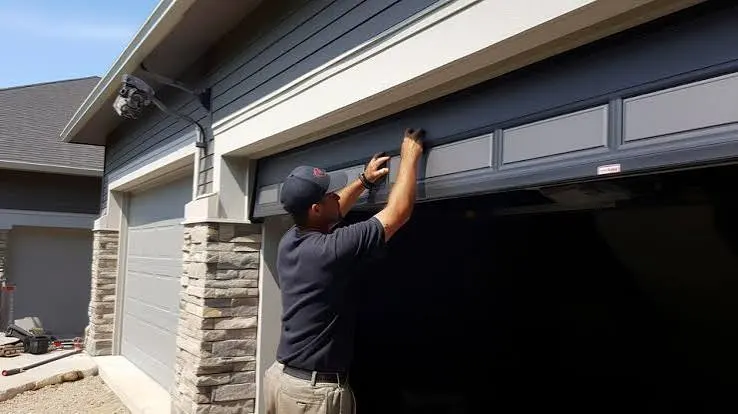
Most garage doors are opened and closed several times a day. Each cycle places movement and pressure on the components that lift, guide, and support the door. Wear is not always obvious in the beginning. A roller may become noisy before it fails, or a hinge may gradually loosen without causing an immediate problem.
The purpose of regular maintenance is to notice these changes while they are still manageable. Cleaning the tracks, checking visible hardware, testing the opener, and paying attention to how the door moves can help identify developing problems before they interfere with everyday use. Regular garage door maintenance can also help homeowners spot wear before it leads to a sudden breakdown.
Waiting until a garage door stops working completely can also put more strain on other components. Addressing smaller issues early may help prevent additional damage and gives you a better opportunity to deal with safety concerns before they become serious.
7 Practical Tips for Better Garage Door Maintenance
You do not need advanced tools or technical experience to handle several basic maintenance tasks. The following habits focus on areas homeowners can safely monitor without taking apart the door system.
Inspect the Door and Hardware for Visible Wear
Check the door panels, hinges, brackets, and visible bolts every month or two. Look for dents, cracks, rust, loose hardware, or other changes that were not present during your previous inspection.
Pay close attention to hinges or brackets that appear to be pulling away from the door. If a bolt repeatedly becomes loose or a component looks bent, avoid repeatedly tightening or adjusting it without identifying the underlying problem. A technician can determine whether there is an alignment or hardware issue that needs attention.
Keep Tracks Clean and Free From Obstructions
Dirt, leaves, dust, and other debris can collect in and around the tracks. Removing this buildup helps the rollers travel along their intended path without unnecessary interference.
For basic cleaning, a damp cloth is usually sufficient. Keep in mind that cleaning cannot fix a damaged track. If a track is badly bent, separated from the wall, or visibly misaligned, do not try to straighten it yourself. An improper adjustment can create a larger problem.
Lubricate Appropriate Moving Parts
Rollers, hinges, and other suitable moving components can benefit from an appropriate garage door lubricant. Applying a small amount at suitable intervals can reduce friction and may help the door operate more quietly.
Lubrication, however, is not a solution for damaged parts. A cracked roller, bent hinge, or badly worn component still needs proper repair or replacement. If a persistent noise or rough movement remains after lubrication, the cause may require a closer inspection.
Check Rollers and Hinges for Wear
Rollers should move smoothly as the door travels along the tracks. During a visual inspection, look for rollers that appear chipped, worn, misshapen, or unusually stiff.
Hinges also play an important role because they allow the door sections to move as the door opens and closes. If the door catches at one point, jerks during movement, or produces a grinding sound during part of its travel, a worn roller or hinge may be contributing to the problem.
Test the Opener and Remote Controls
Not every garage door problem comes from the door itself. The opener, wall control, remote, and power supply all affect how the system operates.
Check the remote batteries and make sure the wall control responds normally. If the door moves smoothly when operated manually but the opener does not respond, the issue may be with the opener, controls, or power supply rather than the springs or tracks.
Examine Weather Seals Before They Deteriorate
The bottom seal helps keep rain, dust, drafts, and pests from entering the garage. Depending on the door design, additional seals may also be installed along the sides.
Look for cracks, gaps, hardened rubber, or sections that have pulled away from the door. A worn seal may not stop the door from opening and closing, but it can leave the garage more exposed to outdoor conditions.
Keep a Simple Maintenance Record
A basic maintenance record can make ongoing care easier. Note when you lubricated the door, replaced a component, tested the safety system, or had professional service completed.
Keeping these records can also help identify recurring problems. If the same component repeatedly needs attention, the information may help a technician understand what has been happening and diagnose the issue more efficiently.
Which Garage Door Parts Need Regular Attention?
Different components have different maintenance requirements. Some can be visually inspected by homeowners, while others involve tension, weight, or internal mechanisms that should be handled by a trained professional.
Springs, Cables, and Balance Components
Springs and cables help support and balance much of the door’s weight, and they can be under significant tension.
Warning signs may include a door that suddenly feels much heavier, one side dropping differently from the other, or visible cable fraying. These are not suitable DIY repair tasks. Springs and cables can release stored energy unexpectedly, so broken spring repair should be left to a qualified professional.
Tracks, Rollers, Hinges, and Brackets
These components work together to guide the door along its intended path. Look for visible wear, loose hardware, damaged rollers, stiff hinges, shifted brackets, or bent tracks.
Grinding, popping, scraping, or uneven movement can indicate that one of these components needs attention. If the door’s movement changes noticeably, identifying the cause is more useful than simply applying additional lubricant.
Opener, Sensors, Controls, and Safety Features
The opener supplies the power needed to move the door, while photo-eye sensors help prevent the door from closing when an obstruction is detected.
Homeowners can keep the sensors clean and make sure nothing is blocking them. More involved adjustments, such as changing opener force settings or working on internal components, are better left to a technician familiar with the specific opener.
How to Spot Garage Door Problems Before They Worsen
Changes in normal operation are often the first indication that something needs attention. A door that was once quiet may begin squeaking or grinding. It may also become slower, move unevenly, or sit differently when fully closed.
The condition of the door matters more than its age alone. A relatively new door with a frayed cable still needs immediate attention, while an older door that operates smoothly may only require routine maintenance.
Pay attention to changes in sound, speed, balance, and movement. If the door suddenly shifts sideways or comes away from its normal path, this may indicate a door off track problem that needs prompt attention.
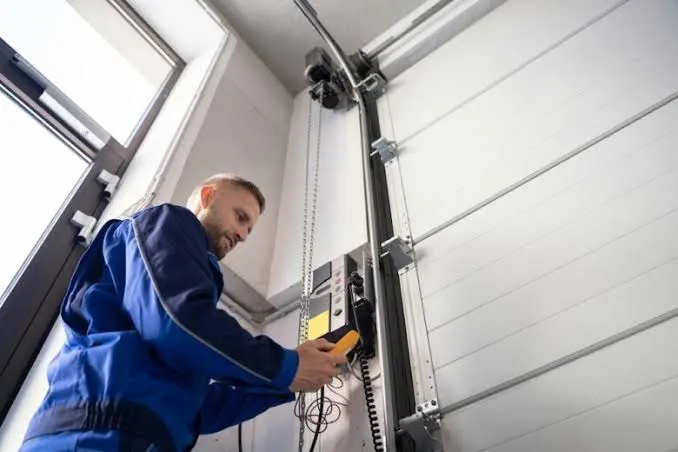
Safe Garage Door Checks Homeowners Can Perform
Several useful checks can be completed without taking apart the garage door system.
- Inspect visible panels and hardware. Look for dents, rust, cracks, loose parts, or obvious damage.
- Clean tracks and sensors. Remove dirt and debris that could interfere with movement or sensor operation.
- Check remote and wall-control batteries. Replace weak batteries when controls respond slowly or stop working.
- Test the auto-reverse system. Follow the opener manufacturer’s instructions when checking this safety feature.
- Look for track obstructions. Remove loose debris or objects that are clearly interfering with the door’s path.
- Listen for unusual sounds. Pay attention to new grinding, scraping, popping, or squeaking and note when they occur.
Some tasks should remain off the homeowner’s maintenance list. Do not adjust or replace springs, work on tensioned cables, force a heavy door back onto its track, or attempt to straighten a severely damaged track. These repairs can involve considerable force and weight.
When Garage Door Troubleshooting Calls for Professional Help
Basic troubleshooting can rule out a few simple causes. If the opener does not work, check whether it has power and whether the remote batteries are functioning. If the door reverses unexpectedly, make sure the photo-eye sensors are clean and properly positioned.
If the problem continues, stop troubleshooting and arrange an inspection. This is especially important when the door is unusually heavy, unbalanced, moving unevenly, or showing signs of a spring, cable, or structural problem. For persistent opener issues, opener repair installation may be needed rather than repeated battery or control checks.
Trying to diagnose or repair a high-tension component without the appropriate experience can create a safety hazard and may cause additional damage.
What Does a Garage Door Tune-Up Include?
A garage door tune-up involves more than putting lubricant on a few hinges. Depending on the service, a professional may inspect the door and hardware, clean tracks and sensors, check fasteners and brackets, evaluate door movement, test the safety reversal system, and review opener performance.
The main difference between a tune-up and a repair is the purpose. A repair addresses a known problem, while a tune-up evaluates the overall system and looks for developing issues.
For a garage door used several times every day, a professional inspection once or twice a year can be a practical maintenance routine. Homes with unusually heavy use or recurring problems may need more frequent attention.
How Seasonal Changes Affect Garage Door Upkeep

Weather conditions can affect garage door performance throughout the year. Cold temperatures may change how lubricants behave and can make some components feel stiffer. Heat and humidity can affect certain materials, while rain and storms can expose weaknesses in worn weather seals.
Seasonal changes are a useful reminder to check the door rather than waiting for a problem. Inspect the seals before periods of heavy rain, pay attention to movement when temperatures change, and check tracks and sensors after severe weather.
If your opener has a battery backup, check that system periodically as well so you know it is ready if the power goes out.
Garage Door Safety Checks Every Homeowner Should Know
Safety features need regular attention just like the mechanical components. The auto-reverse function and photo-eye sensors are designed to help prevent the door from closing when something is in its path.
Keep the sensors clean and make sure they are not blocked or obviously misaligned. Test the auto-reverse system according to the opener manufacturer’s instructions and pay attention to any change in its normal response.
Also watch for visible hazards such as damaged panels with sharp edges, exposed or frayed cables, or hardware that has moved out of position. If a safety feature fails its test, avoid normal use until the issue has been properly addressed.
Signs Your Garage Door Needs Professional Repair
Some problems should not be treated as routine maintenance. A broken spring, damaged or frayed cable, door that has come off its track, major panel damage, persistent safety problems, and serious imbalance all deserve professional attention. When these warning signs appear, garage door repair can help identify the cause and restore safe operation.
These repairs can involve heavy components or stored tension. Without the correct equipment and training, attempting them can result in injury or additional damage.
Knowing when to stop a DIY inspection is just as important as knowing which maintenance tasks you can safely perform yourself.
What to Expect From a Garage Door Maintenance Service
A professional maintenance visit should involve more than a quick visual inspection. Depending on the service, a technician may examine the panels and hardware, clean tracks and sensors, lubricate appropriate moving parts, check balance, evaluate the opener, and test the safety reversal system.
Before scheduling service, ask what the maintenance visit includes and whether the technician will identify parts showing significant wear. A thorough inspection may uncover issues such as worn springs, loose hardware, alignment problems, or sensor concerns before they become urgent repairs.
Repair or Replace: Which Option Makes More Sense?
Repairing a garage door often makes sense when the main system remains in good condition and only one or two components need attention. Replacement may be worth considering when damage is widespread or the same problems continue to return.
| Factor | Repair May Make Sense | Replacement May Make Sense |
| Door condition | Most parts remain in good shape | Major components show widespread wear |
| Repair frequency | Problems happen occasionally | Breakdowns happen repeatedly |
| Safety | Safety systems work correctly | Safety problems continue |
| Damage | Damage is limited to a component | Major structural damage is present |
| Long-term value | Repair restores dependable use | Replacement offers better long-term value |
Age alone does not determine whether a garage door should be replaced. An older door that is structurally sound and operates reliably may only need a specific repair. The more useful question is whether repairing the door will restore safe, dependable operation or simply delay another major problem.
How Regular Maintenance Can Extend Garage Door Life
Maintenance works best when it prevents small issues from developing into larger ones. Replacing a worn roller before it damages the track, cleaning sensors before they cause operating problems, and addressing loose hardware early can all help reduce unnecessary strain.
No single maintenance task guarantees a longer-lasting garage door. Consistent care, proper use, regular inspections, timely repairs, and occasional professional service all play a role in keeping the system dependable.
A garage door that receives attention throughout the year is less likely to be ignored until a minor issue becomes a complete breakdown.
Conclusion: Keep Your Garage Door Ready for Daily Use
Good garage door maintenance is mostly about consistency. You do not need to inspect every component every day. Simple habits such as checking visible hardware, cleaning tracks, testing safety features, and paying attention to changes in sound or movement can help you identify problems early. If you notice an issue that needs professional attention, Every Day Garage Door Repair can help address the problem before it becomes a more costly repair.
Springs, cables, major track damage, serious balance problems, and failed safety features are different. These situations call for professional attention because the components involved can be heavy or under significant tension.
If your garage door has recently become noisy, slow, uneven, or difficult to operate, addressing the change early can help prevent a more disruptive repair later.
FAQs About Garage Door Repair and Maintenance
How often should a garage door receive routine maintenance?
A professional inspection and tune-up once or twice a year is a practical schedule for many homes. Basic visual checks and cleaning can be done more frequently, especially when the door is used several times a day.
Which garage door parts need the most regular care?
Rollers, hinges, tracks, weather seals, sensors, and visible hardware benefit from regular attention. Springs and cables should be monitored for warning signs but should not be adjusted or repaired as DIY tasks.
What warning signs mean a garage door needs repair?
New grinding or scraping sounds, slow or jerky movement, uneven closing, visible component damage, unusual door weight, and safety features that do not work correctly are all reasons to arrange an inspection.
Can routine maintenance help prevent expensive garage door repairs?
Yes. Finding worn rollers, loose hardware, dirty sensors, or other developing problems early can help prevent additional strain and more extensive damage.
When should a homeowner arrange a professional garage door inspection?
An inspection is appropriate when you notice a persistent change in the door’s operation, after significant weather damage, or as part of a regular maintenance routine. Doors with recurring problems may benefit from more frequent inspections.