

Garage door maintenance is essential for keeping your garage door operating safely, quietly, and efficiently throughout the year. Regular inspections, lubrication, adjustments, and preventive care help reduce unexpected breakdowns while extending the life of important components. This guide explains practical maintenance routines, warning signs, and professional servicing that keep garage door systems performing reliably for years to come.
Reliable Doors Begin With Routine Attention
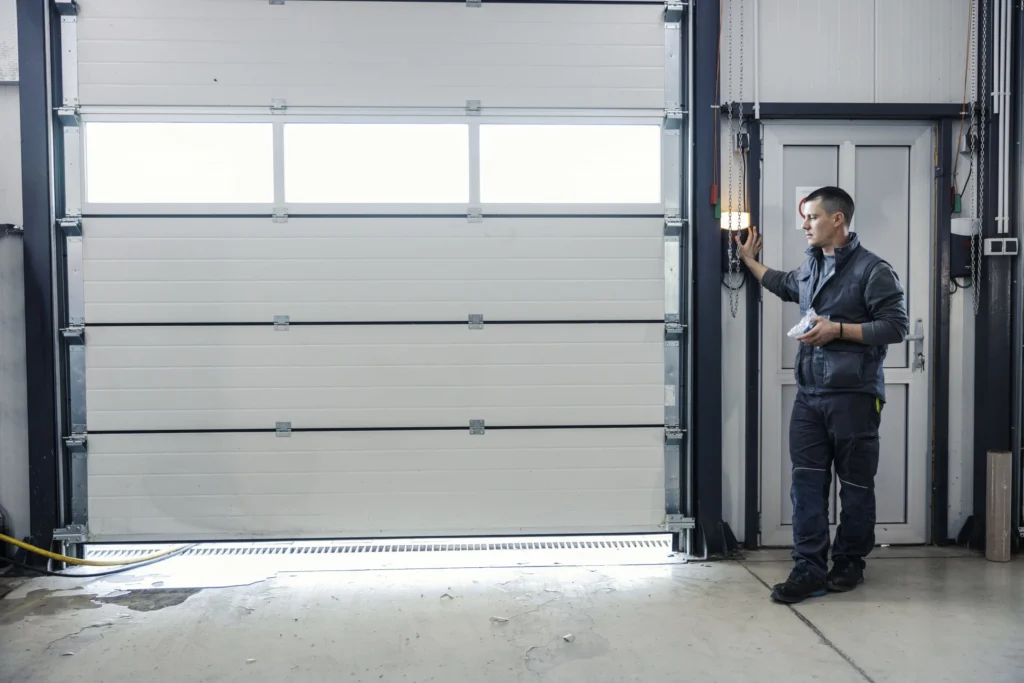
A garage door is one of the hardest-working systems in any home, often opening and closing several times each day. Because of this constant use, even small amounts of wear can gradually affect its performance. Regular garage door maintenance helps identify developing issues before they lead to unexpected breakdowns, costly repairs, or safety concerns.
Consistent garage door care also improves reliability during changing weather conditions and extends the overall lifespan of the system. A homeowner may first notice a slight squeaking sound or slower movement when leaving for work each morning, only to discover during a routine inspection that the rollers require lubrication and a few loose bolts need tightening.
Everyday Habits That Shorten Door Lifespan
Many garage door problems are caused by everyday habits that seem harmless at first. Small oversights, repeated over months or years, gradually increase wear on important components and reduce overall reliability. Understanding these habits helps homeowners protect their garage door and avoid unnecessary repair expenses.
Ignoring unusual sounds
Squeaking, grinding, or rattling often signals developing problems. A regular door performance check helps identify these issues before they become major repairs.
Skipping routine cleaning
Dust, leaves, and debris can collect inside the tracks and around moving parts. Consistent garage door cleaning keeps components moving freely and reduces unnecessary friction.
Delaying inspections
Waiting until the door stops working often leads to more extensive repairs. A scheduled garage door inspection can detect worn rollers, loose hardware, or weakening springs before they fail.
Forcing the door to operate
Continuing to use a garage door that sticks or moves unevenly places extra stress on the opener, cables, and tracks, increasing the risk of additional damage.
Neglecting lubrication
Moving parts require proper lubrication to reduce friction. Operating dry rollers and hinges every day speeds up wear and creates noisy performance.
Leaving small repairs unresolved
A loose bracket or worn roller may seem minor, but delaying repairs often allows surrounding components to wear out much faster.
Using the garage door excessively
Opening and closing the door more often than necessary adds extra cycles to springs and moving parts, gradually shortening their service life.
Ignoring weather-related wear
Rain, humidity, and temperature changes can affect seals, metal hardware, and alignment. Seasonal maintenance helps protect the system from long-term environmental damage.
Maintenance Areas Most Homeowners Overlook
Many homeowners focus only on whether the garage door opens and closes, overlooking the components that quietly support safe and reliable operation. Hidden parts experience daily wear and often show little visible damage until a problem develops. Giving these areas routine attention helps prevent unexpected failures and extends the life of the entire system.
Springs And Hinges
Springs and hinges carry significant weight every time the door operates. Over time, friction and repeated movement increase wear, making proper garage door lubrication essential for smoother operation and reduced stress on these components. While homeowners can lubricate accessible moving parts, spring repairs should always be handled by trained professionals.
Rollers And Tracks
Rollers travel through the tracks during every opening and closing cycle. Dirt buildup, worn rollers, or slight track movement can affect smooth operation without immediately stopping the door. Regular cleaning and timely garage door adjustment help keep the door properly aligned, reducing vibration and preventing unnecessary strain on the opener.
Cables And Mounting Hardware
Lift cables, brackets, and mounting bolts gradually loosen or wear through normal use. Frayed cables or loose hardware may not be obvious until performance begins to decline. Routine inspections allow these components to be tightened or replaced before they affect the entire system. Scheduling broken cable repair as soon as cable damage is found helps prevent larger mechanical failures and improves overall safety.
Safety Sensors And Auto-Reverse System
Modern garage doors rely on photo-eye sensors and automatic reverse technology to protect people, pets, and vehicles. Dust, misalignment, or wiring issues can interfere with these safety features. Performing a regular door safety check confirms that sensors respond correctly and the door reverses immediately when an obstruction is detected, helping maintain safe everyday operation.
Different Garage Doors Need Different Care
Not all garage doors are built the same, so maintenance routines should match the door’s design and operating system. Factors such as construction, weight, hardware, and daily usage all influence how often components should be inspected and serviced. Understanding these differences helps homeowners develop a maintenance plan that improves reliability and extends the life of their garage door.
Sectional Door Maintenance
Sectional garage doors consist of multiple hinged panels that travel along tracks using rollers and springs. Routine residential garage door maintenance includes inspecting rollers, lubricating hinges, checking spring tension, and ensuring the tracks remain clean and properly aligned.
Roll-Up Door Maintenance
Roll-up garage doors use narrow metal slats that coil into a drum above the opening. These systems require regular inspection of the slats, guides, tension mechanism, and rolling drum.

Carriage Style Door Maintenance
Carriage-style garage doors combine traditional appearance with modern operating systems. Their decorative hardware, hinges, and heavier construction require periodic lubrication and hardware inspections. Wood carriage doors also benefit from routine surface maintenance to protect against moisture, warping, and weather-related wear while preserving their appearance.
Insulated Door Maintenance
Insulated garage doors are heavier than standard doors and rely on properly balanced springs and hardware for safe operation. A routine garage door inspection should include checking weather seals, insulation panels, rollers, springs, and opener performance. Keeping these components in good condition helps maintain energy efficiency, quieter operation, and dependable performance throughout the year.
Seasonal Changes Create Hidden Door Stress
Weather affects garage doors more than many homeowners realize. Changes in temperature, humidity, and moisture can gradually impact metal components, moving parts, and overall door performance. Adjusting your maintenance routine throughout the year helps reduce seasonal wear and keeps the system operating safely in every season.
Spring And Summer Care
Warmer temperatures can cause metal parts to expand, while pollen, dust, and debris build up inside the tracks and around rollers. Regular garage door cleaning removes dirt that increases friction, allowing moving components to operate more smoothly. This is also an ideal time to inspect weather seals and remove any buildup that developed during winter.
Fall Preparation
As temperatures begin to drop, lubricating moving parts becomes increasingly important. Fresh garage door lubrication on rollers, hinges, bearings, and springs helps reduce friction before colder weather arrives, improving smooth operation and protecting components from unnecessary wear.
Winter Protection
Cold temperatures can thicken lubricants, stiffen weather seals, and place additional strain on springs and openers. Snow, ice, and moisture may also increase the risk of rust on exposed metal hardware. Routine inspections during winter help identify small issues before they develop into major mechanical problems.
Year-Round Preventive Habits
Consistent preventive door maintenance is the best way to protect your garage door from seasonal damage. Inspecting hardware, cleaning tracks, checking weather seals, and addressing minor issues throughout the year helps improve reliability, extend component lifespan, and reduce the likelihood of unexpected repairs regardless of the season.
Small Performance Changes Signal Bigger Issues
Minor changes in garage door performance are often early warnings that something inside the system needs attention. Addressing these signs quickly can prevent larger mechanical failures, reduce repair costs, and keep the door operating safely. Paying attention to how the door moves each day makes it easier to spot developing problems before they interrupt your routine.
- Unusual noises during operation – Grinding, squeaking, or rattling sounds often indicate worn rollers, loose hardware, or components that need lubrication or replacement.
- Excessive vibration – A door that shakes while opening or closing may have worn rollers, bent tracks, or loose brackets affecting smooth movement.
- Slower opening or closing – Gradual changes in operating speed can point to weakening springs, increased friction, or opener issues that should be evaluated during a door performance check.
- Uneven door movement – If one side rises or lowers differently than the other, cables, springs, or tracks may require a professional garage door adjustment.
- Door fails to close completely – Misaligned safety sensors, damaged tracks, or opener settings can prevent the door from sealing properly.
- Visible gaps or shifting – A garage door that no longer sits evenly against the frame may indicate alignment problems that deserve prompt attention.
- Inconsistent automatic operation – Delayed response from the opener or random reversing can signal electrical or sensor issues affecting reliability.
- Safety features not responding correctly – Performing a routine door safety check ensures the auto-reverse system and photo-eye sensors continue protecting people, pets, and vehicles during everyday operation.
Maintenance Costs Versus Unexpected Repairs
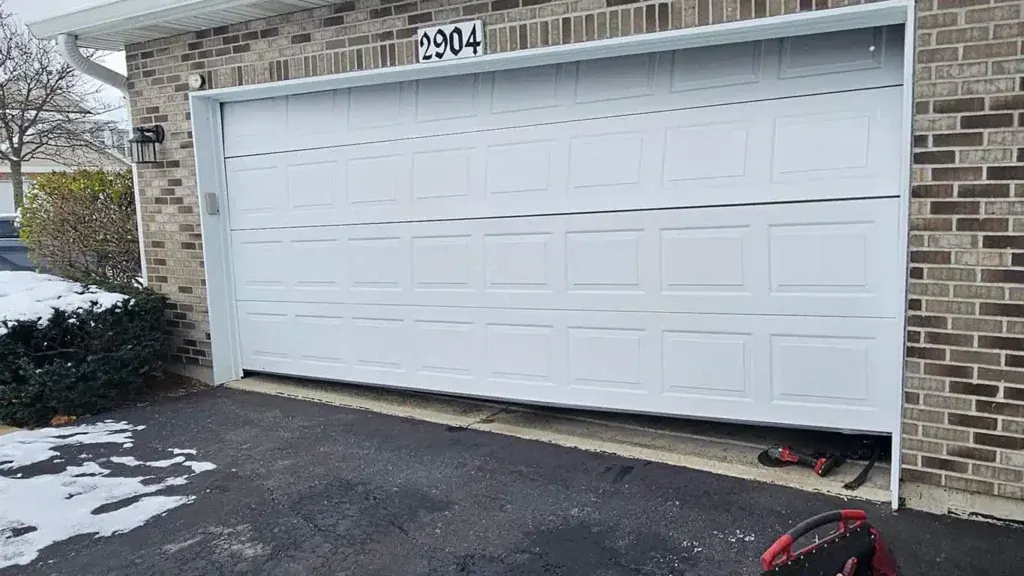
Routine maintenance is usually far less expensive than dealing with a major garage door failure. Small investments in scheduled service help identify worn components before they cause damage to other parts, reducing the likelihood of costly emergency repairs.
Choosing an affordable garage door maintenance service gives technicians the opportunity to inspect, lubricate, adjust, and test the entire system before minor wear develops into serious mechanical problems. A professional garage door tune-up service also improves performance, extends component lifespan, and reduces unexpected breakdowns. Timely broken spring repair and professional operator repair services also help prevent more extensive garage door repair work in the future.
Smart Maintenance Decisions Save Time Later
A consistent maintenance routine helps keep your garage door operating reliably while reducing unexpected interruptions. Instead of waiting for parts to wear out, planned servicing allows homeowners to address small concerns early, saving both time and future repair expenses. The right maintenance schedule depends on how often the garage door is used and the conditions it operates in.
Follow a seasonal maintenance routine
A simple garage door maintenance checklist helps ensure important components are inspected, cleaned, lubricated, and tested throughout the year.
Adjust servicing based on daily use
Homes where the garage door operates several times each day benefit from more frequent inspections than doors used only occasionally.
Inspect moving parts regularly
Rollers, hinges, springs, tracks, and cables should be checked for wear before minor issues develop into larger repairs.
Keep tracks and hardware clean
Removing dirt and debris allows the door to move smoothly while reducing unnecessary stress on mechanical components.
Lubricate components at recommended intervals
Applying the proper lubricant to moving parts improves performance and minimizes friction-related wear.
Schedule professional inspections annually
Even when the door appears to work properly, yearly residential garage door maintenance helps identify hidden issues before they affect reliability.
Address small concerns immediately
Unusual sounds, slower movement, or loose hardware should never be ignored, as early repairs are often quicker and less expensive.
Use proven garage door preventive maintenance tips
Combining homeowner care with regular professional servicing creates a dependable routine that extends system lifespan, improves safety, and minimizes unexpected downtime.
Choosing Qualified Experts With Confidence
Selecting the right maintenance provider helps ensure your garage door receives thorough inspections and dependable long-term care. An experienced company focuses on preventing problems rather than simply fixing them after they occur. Taking time to compare providers gives homeowners greater confidence and helps protect both their investment and their home’s safety.
When evaluating a door maintenance service, look for experienced technicians, positive customer reviews, clear maintenance plans, and transparent pricing. A homeowner comparing two companies may find that one explains inspection findings, outlines recommended services, and provides warranty coverage, while another offers little detail about the work being performed. Choosing a provider that specializes in professional garage door maintenance ensures every component is inspected, adjusted, and tested using proven procedures. Working with the best garage door maintenance company also gives you confidence that routine servicing will improve performance, reduce unexpected repairs, and keep your garage door operating safely for years to come.
Consistent Care Protects Your Investment
Regular attention is the key to keeping your garage door safe, efficient, and dependable for years. Waiting until a problem appears often leads to expensive repairs, unexpected downtime, and unnecessary stress. A proactive approach with routine garage door maintenance helps identify early signs of wear, improve performance, and protect important components from premature failure.
Simple steps such as cleaning tracks, checking hardware, scheduling inspections, and arranging a professional garage door tune-up can make a significant difference in how smoothly your system operates. Consistent garage door care not only extends the lifespan of springs, rollers, cables, and openers but also improves safety for everyone using the door. Everday Garage Door Repair offers professional inspections and maintenance services to help prevent future problems, keeping your garage door system working safely and reliably throughout the year.
Helpful Questions Before Your Next Tune-Up
Garage door maintenance often raises practical questions about inspection timing, safety, lubrication, and overall system performance. Understanding these details helps homeowners make smarter decisions and avoid unexpected issues caused by neglect. The following questions address common concerns related to upkeep, professional servicing, and long-term garage door reliability.
Springs, rollers, cables, hinges, and tracks typically experience the most wear because they handle repeated movement and weight during daily garage door operation.
Grinding, squeaking, or rattling noises often indicate friction, loose hardware, or worn components. Early attention can prevent larger problems and costly repairs later.
Yes. Extreme temperatures, moisture, and seasonal changes can affect lubrication, metal parts, seals, and alignment, making regular maintenance especially important throughout the year.
Homeowners should check door movement, unusual noises, visible damage, sensor operation, and any changes in opening or closing speed before arranging professional service.
Yes. A proper tune-up reduces strain on the opener by adjusting balance, lubricating moving parts, and ensuring the system operates smoothly and efficiently.
Spring adjustments, cable repairs, balance testing, and detailed component inspections often require specialized tools and professional knowledge to complete safely and correctly.